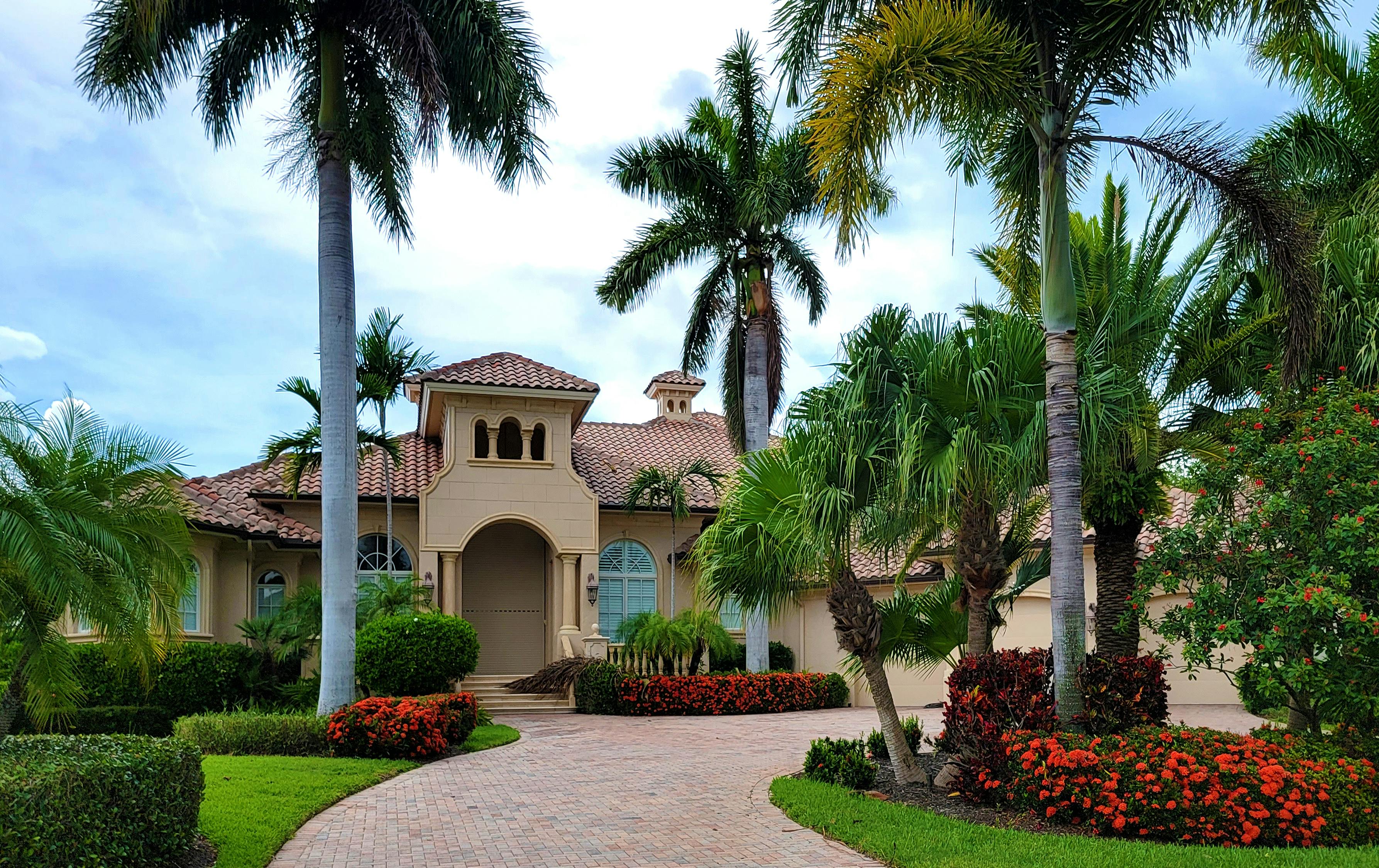
Introduction to DIY Landscaping in Cape Coral
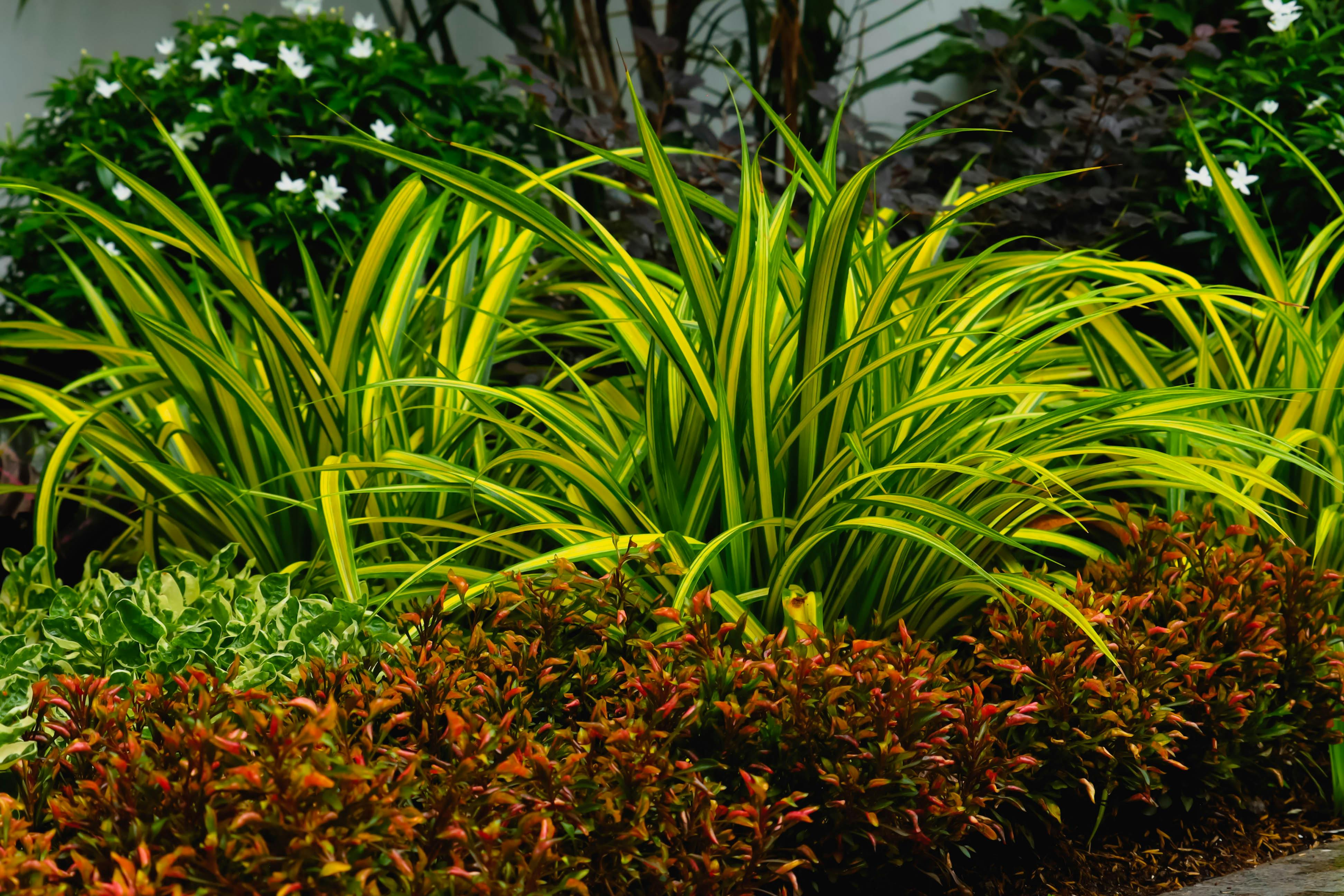
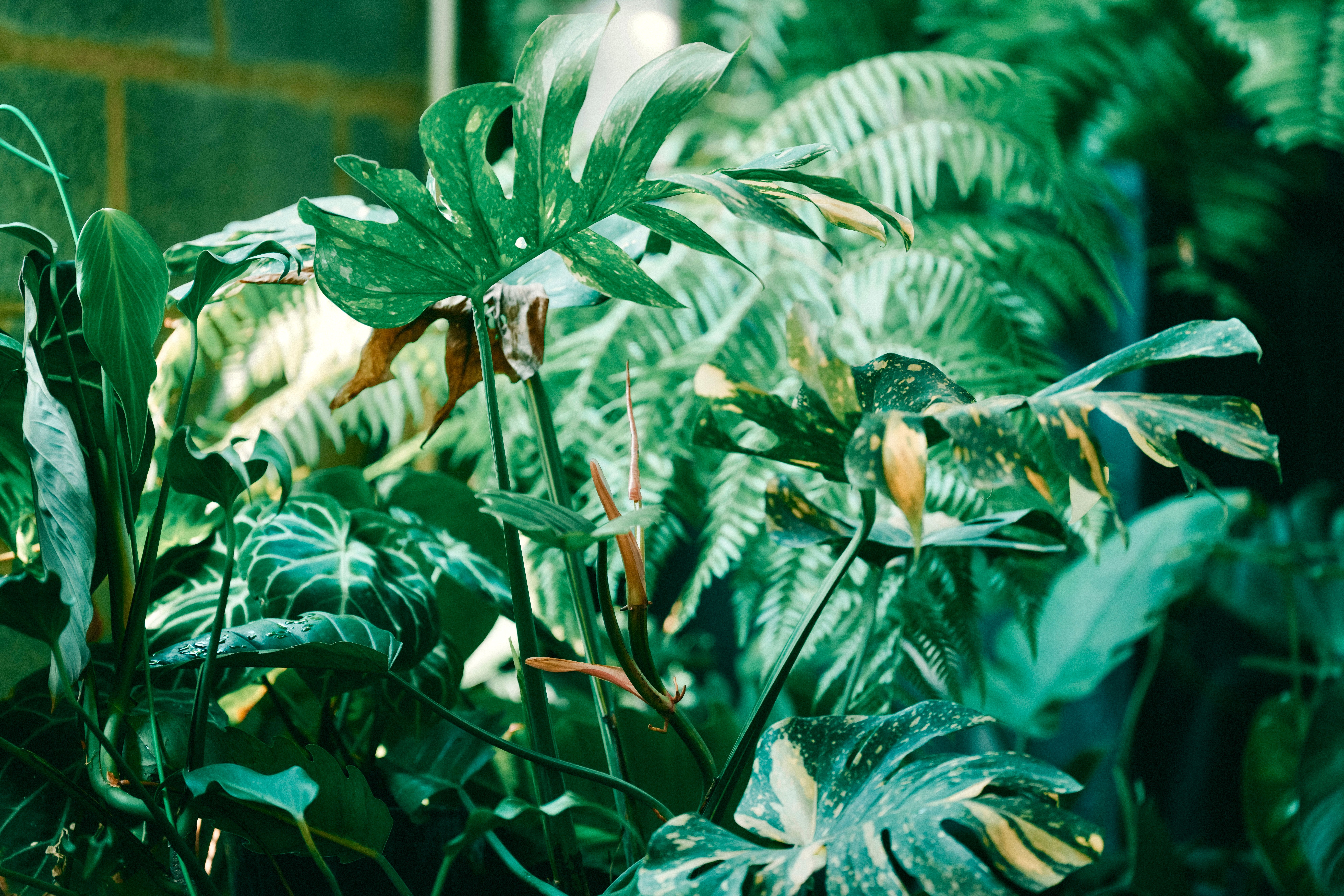
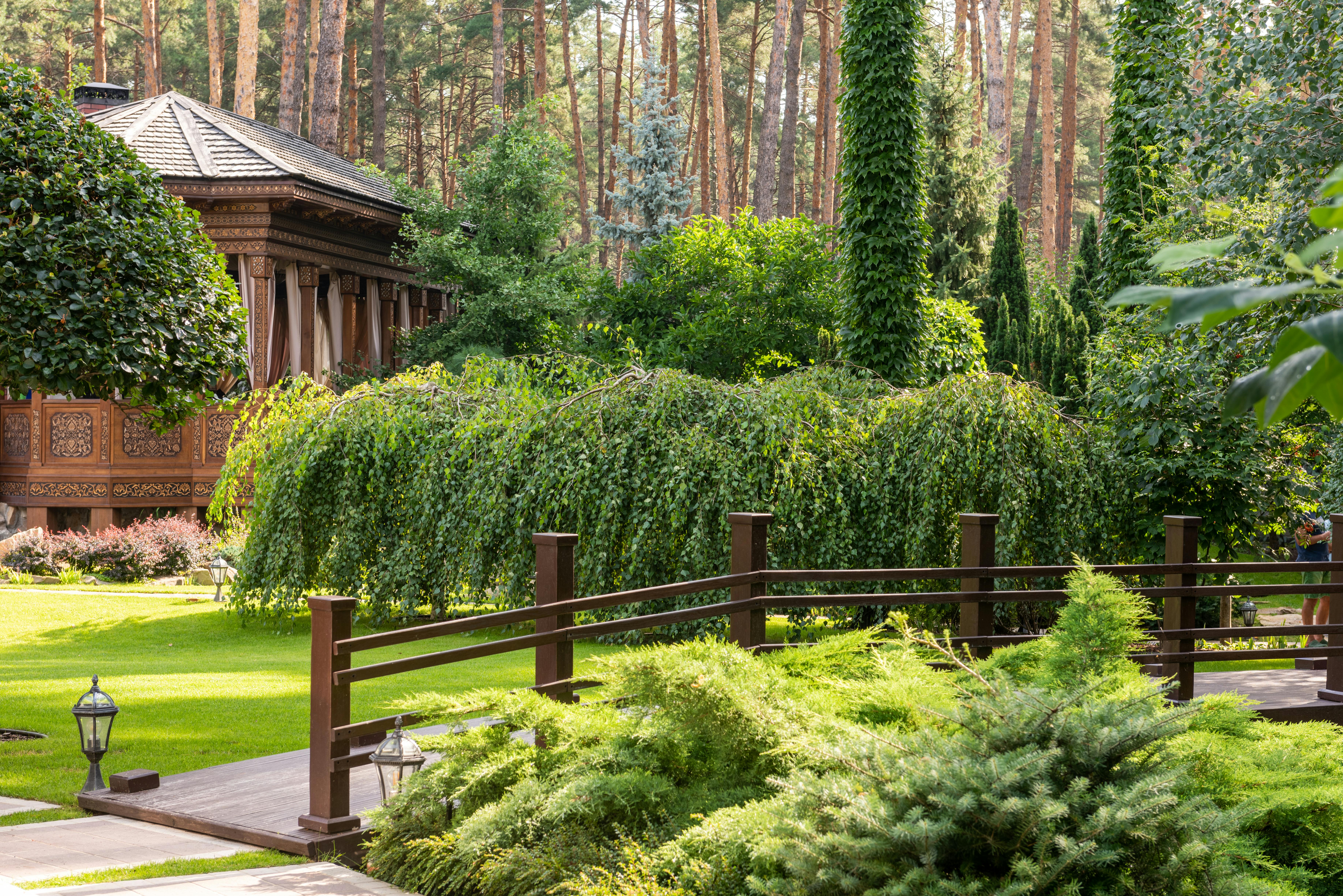
Welcome to the vibrant world of DIY landscaping in Cape Coral, Florida! As a homeowner, transforming your outdoor space can be both rewarding and cost-effective. With the lush subtropical climate of Cape Coral, you have a wide variety of plants and designs to choose from, making it the perfect canvas for beginners to explore their landscaping creativity.
In this guide, we'll walk you through essential steps and tips to create a stunning landscape that complements the unique environment of Cape Coral, focusing on ease and accessibility for newcomers to the world of DIY landscaping.
Understanding Cape Coral's Climate and Soil
Before diving into landscaping, it’s crucial to understand the local climate and soil conditions. Cape Coral has a warm, humid subtropical climate, characterized by hot, wet summers and mild, dry winters. This climate supports a range of tropical and subtropical plants, making it ideal for lush, vibrant gardens.
Soil in Cape Coral
The soil in Cape Coral is predominantly sandy, which drains quickly but doesn’t retain nutrients well. To improve soil quality, consider adding organic matter such as compost or peat moss, which can enhance nutrient content and improve water retention.
Planning Your Landscaping Project
Successful landscaping begins with planning. Here’s how to get started:
1. Set Your Goals
Determine what you want to achieve with your landscape. Are you creating a peaceful retreat, a vibrant garden for entertaining, or a sustainable yard with native plants?
2. Sketch Your Ideas
Draw a rough sketch of your yard, including existing structures, trees, and other features. Use this map to visualize plant placement, pathways, and other elements.
3. Choose Your Plants
Select plants that thrive in Cape Coral’s climate. Popular choices include palm trees, hibiscus, bougainvillea, and native grasses.
- Palm Trees: These signature plants of Florida add height and tropical flair.
- Hibiscus: Known for their vibrant flowers, hibiscus can add a splash of color.
- Bougainvillea: These flowering vines are perfect for adding texture and color.
- Native Grasses: Consider muhly grass for a sustainable, low-maintenance option.
Step-by-Step Guide to DIY Landscaping
1. Prepare the Site
Clear the area of debris, old plants, and weeds. This clean slate will make it easier to see your design come to life.
2. Install Hardscapes
Before planting, install any hardscape elements such as walkways, patios, or rocks. This step prevents soil compaction around new plants.
3. Plant Selection and Placement
With your plan in hand, start planting. Position larger plants and trees first, followed by smaller shrubs and ground covers. Remember to consider the mature size of plants to avoid overcrowding.
4. Watering and Maintenance
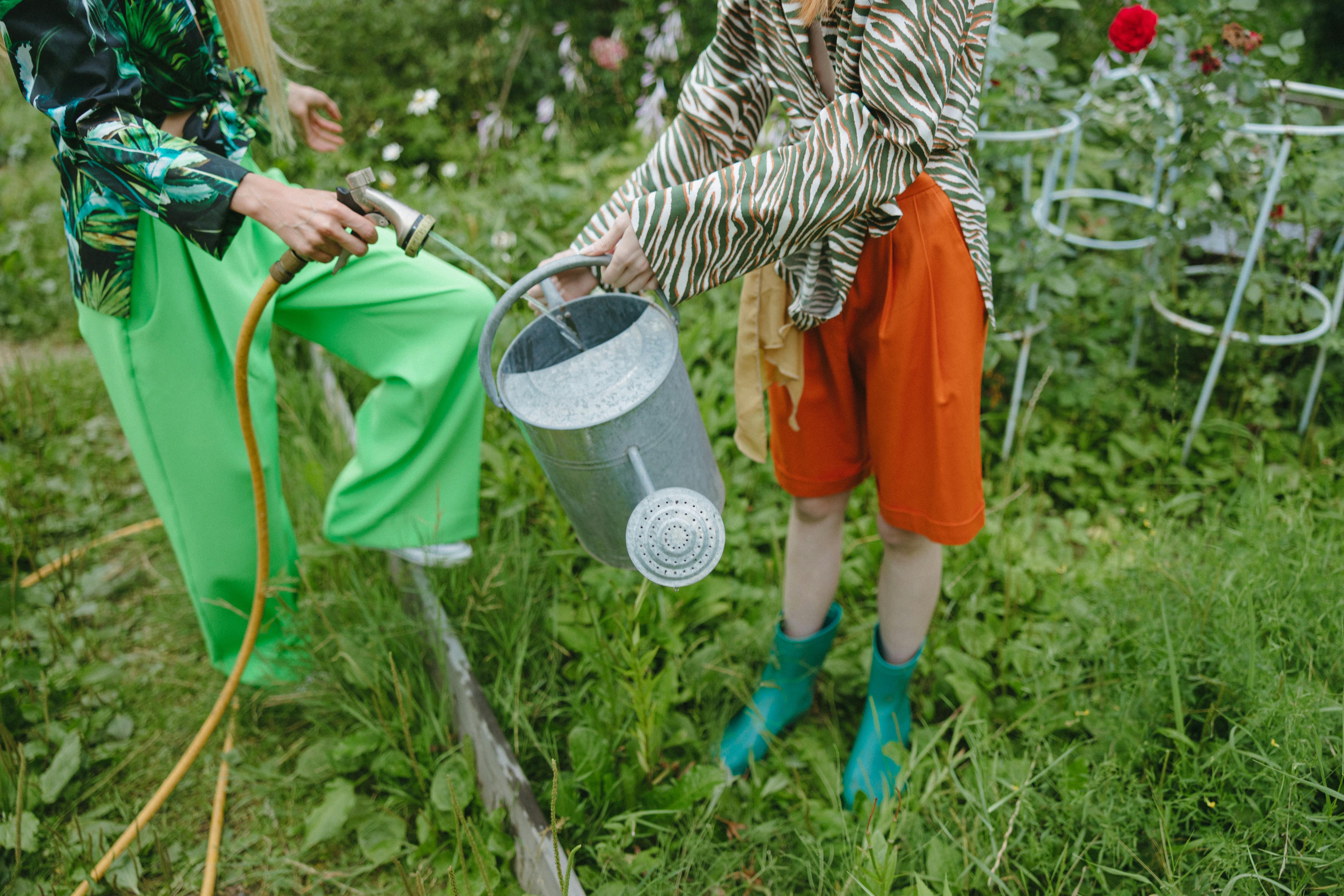
Water your new plants thoroughly and regularly, especially during the first few weeks. Cape Coral’s sandy soil means frequent watering might be necessary. Mulch around plants to retain moisture and suppress weeds.
Embracing Sustainable Practices
As you embark on your landscaping journey, consider sustainable practices that benefit both your garden and the environment.
1. Native Plants
Opt for native plants that are adapted to local conditions and require less water and maintenance.
2. Rain Gardens
Install rain gardens to manage stormwater runoff and reduce erosion.
3. Composting
Start a compost bin to recycle organic waste and enrich your soil naturally.
Conclusion: Your Cape Coral Oasis Awaits
With these beginner-friendly tips and guidelines, you're well on your way to creating a beautiful and sustainable landscape in Cape Coral. Embrace the process, experiment with different plants, and enjoy the transformation of your outdoor space. Remember, the journey is just as rewarding as the destination, and your efforts will enhance both your home’s curb appeal and your personal enjoyment.
For more personalized advice or assistance with your Cape Coral landscaping project, reach out to Lawn Hunters Plus, your local experts in creating stunning outdoor spaces.