Understanding the Unique Climate of Cape Coral
Cape Coral, Florida, is known for its subtropical climate, characterized by hot, humid summers and mild, dry winters. This unique weather pattern presents both challenges and opportunities for homeowners looking to maintain lush, vibrant landscapes throughout the year. As we navigate through 2026, understanding these seasonal dynamics is crucial for effective landscaping.
Spring Landscaping Tips: Preparing for Growth
1. Soil Preparation and Testing
Spring is the perfect time to prepare your soil for the upcoming growing season. Start by testing your soil to determine its pH and nutrient levels. This will help you identify what amendments may be necessary to promote healthy plant growth.
2. Selecting the Right Plants
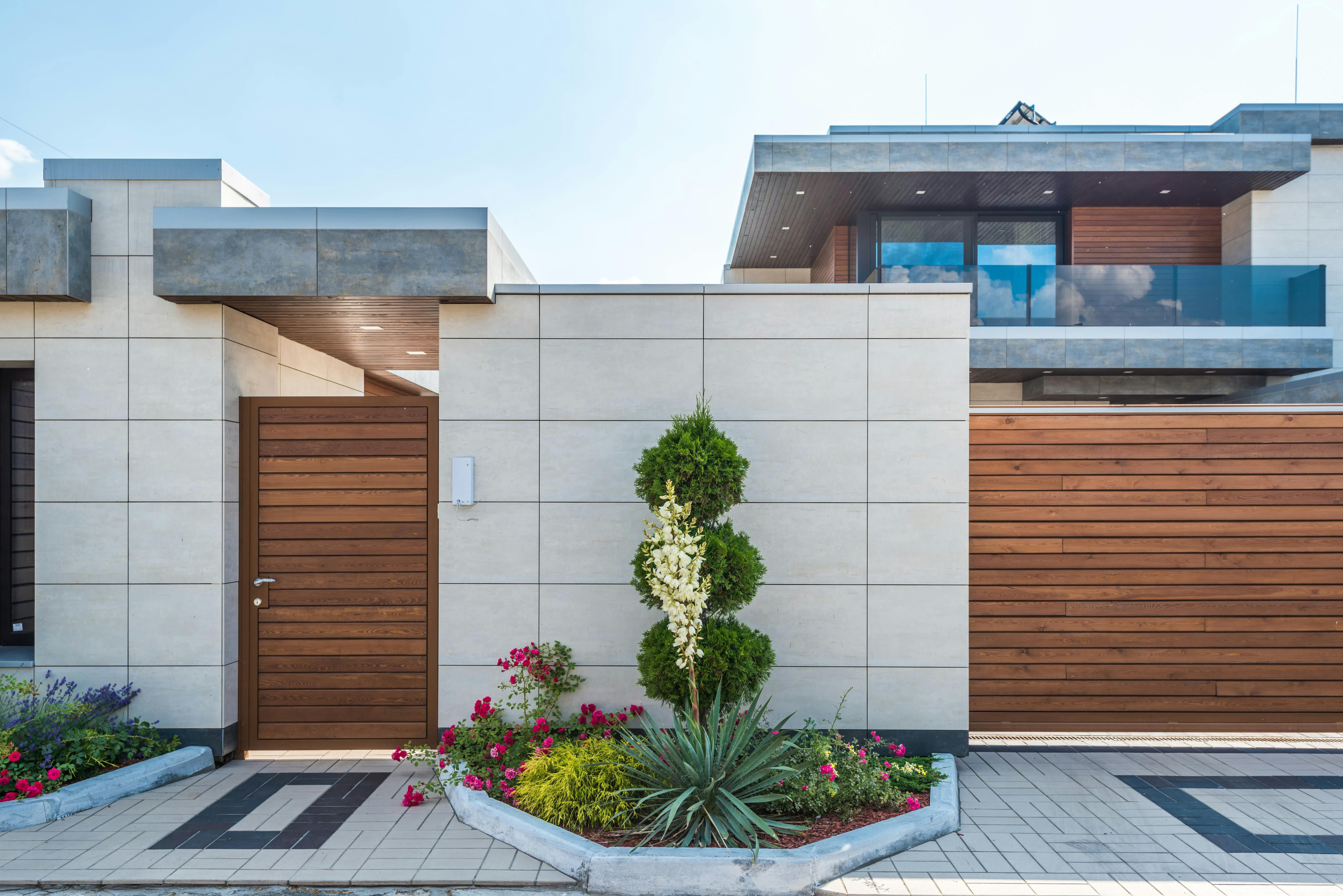
Opt for native plants that thrive in Cape Coral's environment, such as beach sunflower or firebush. These plants are well-adapted to the local climate and require less water and maintenance.
3. Implementing Efficient Irrigation
Consider installing a drip irrigation system to conserve water while ensuring your plants receive adequate moisture. This system is particularly beneficial during the dry months leading up to summer.
Summer Landscaping Tips: Managing Heat and Humidity
1. Mulching for Moisture Retention
Apply a layer of organic mulch around your plants to retain soil moisture and regulate temperature. Mulching also helps reduce weed growth, which can compete with your plants for water and nutrients.
2. Prudent Watering Practices
Water your garden early in the morning or late in the evening to minimize evaporation. Be mindful of local water restrictions and adjust your watering schedule accordingly.
3. Pest and Disease Control
Summer's heat can exacerbate pest and disease problems. Regularly inspect your plants for signs of trouble, and use environmentally friendly pest control methods to protect your garden.
Fall Landscaping Tips: Preparing for Cooler Weather
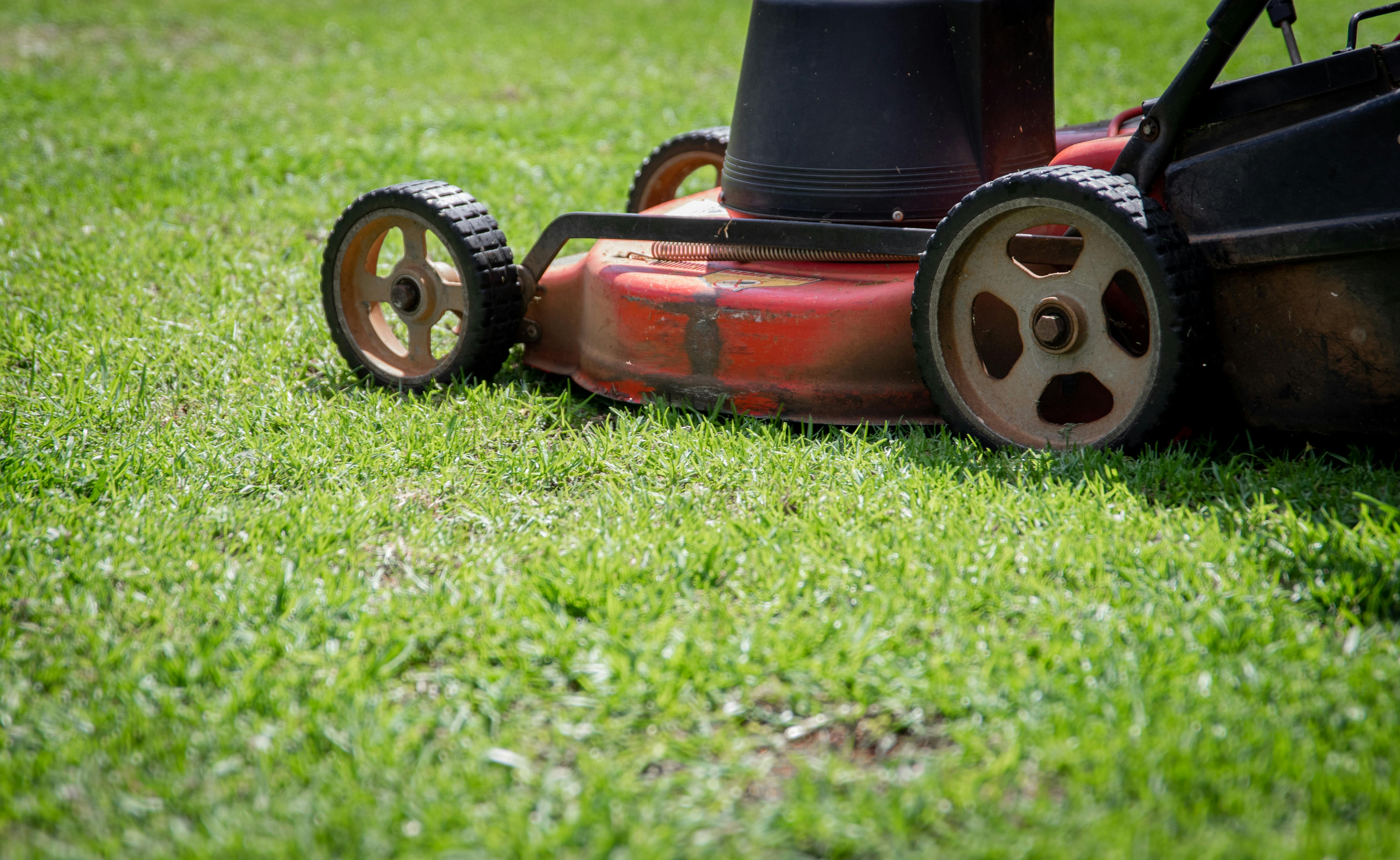
1. Aerating Your Lawn
Fall is an excellent time to aerate your lawn. This process helps reduce soil compaction, allowing roots to access more oxygen and nutrients.
2. Fertilization
Apply a balanced fertilizer to provide essential nutrients before the cooler months. This will help strengthen your plants and prepare them for the winter.
3. Planting Cool-Season Vegetables
Consider planting leafy greens and root vegetables, which thrive in cooler temperatures. This not only enhances your garden's productivity but also adds variety to your diet.
Winter Landscaping Tips: Maintenance and Protection
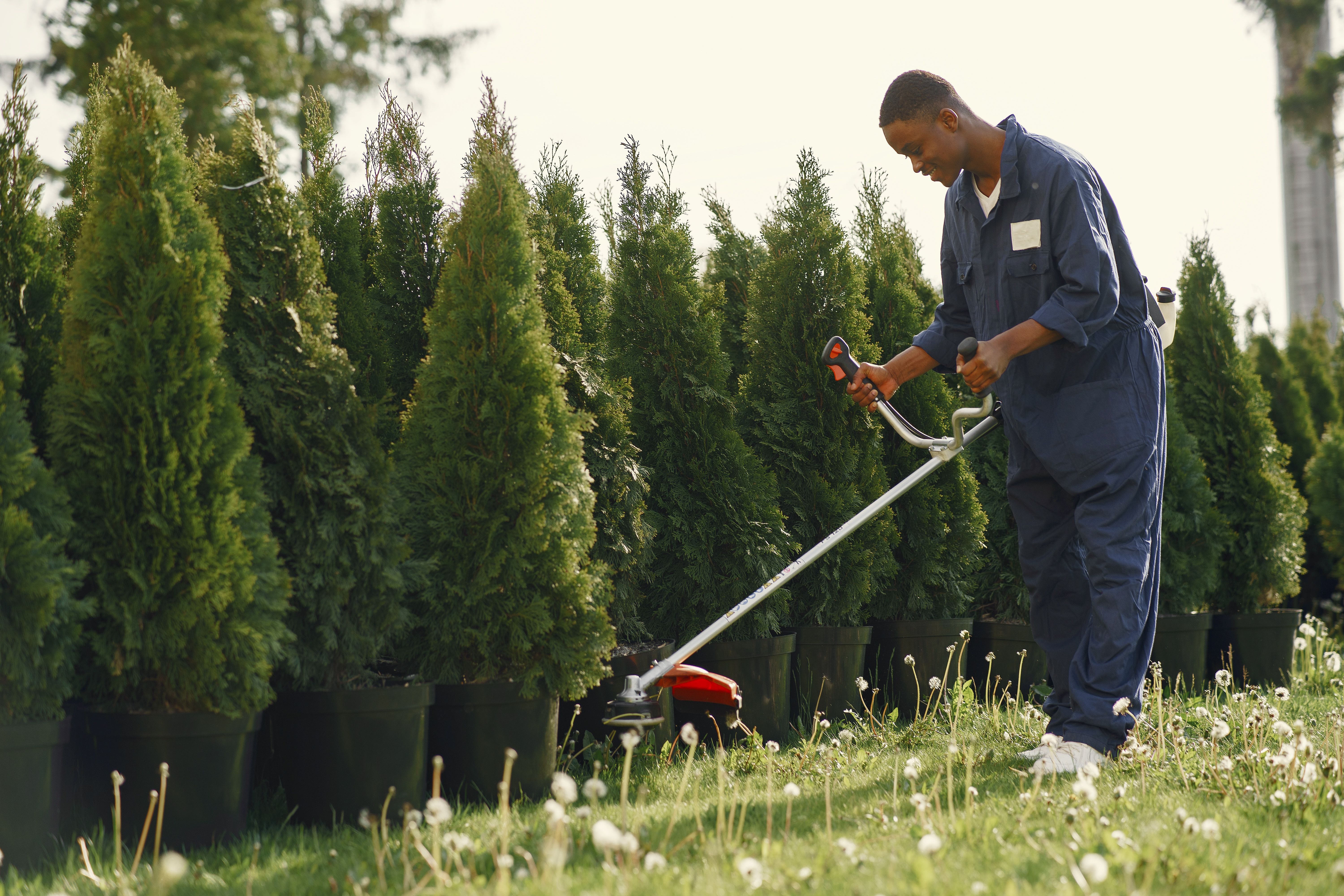
1. Pruning and Trimming
Winter is an ideal time to prune trees and shrubs. Removing dead or diseased branches helps promote healthy growth in the spring.
2. Protecting Sensitive Plants
Use frost cloths or blankets to protect sensitive plants during the occasional cold snap. This helps prevent frost damage and ensures your plants survive until warmer weather returns.
3. Planning for the Next Year
Take this time to reflect on your landscaping successes and challenges of the past year. Plan any changes or improvements you want to make in the coming seasons.
Conclusion: Thriving in Every Season
By tailoring your landscaping practices to Cape Coral's seasonal conditions, you can ensure a vibrant and healthy garden all year round. Whether it's preparing your soil in spring, conserving water in summer, rejuvenating your lawn in fall, or protecting your plants in winter, these strategies will help you create a stunning landscape that stands the test of time.